Android 18: Expected Features, Release Date & Supported Phones (2027)
Android 18: Expected Features, Release Date and Supported Phones
Google is already preparing for its next major Android operating system, and Android 18 is expected to bring another wave of improvements to smartphones in 2027. From smarter AI capabilities and enhanced privacy controls to redesigned graphics and improved customization, Google's upcoming update could change how users interact with their Android devices.
Although Android 18 has not been officially released, early developer discussions and industry reports have started revealing some interesting possibilities. In this guide, we'll explore the Android 18 expected release date, rumored features, supported phones, beta timeline, and everything you should know before the update arrives.
What Is Android 18?
Android 18 will be Google's next major version of its Android operating system, following Android 17, which became publicly available in June 2026.
Like previous Android releases, the upcoming version is expected to focus on improving performance, security, artificial intelligence, user experience, and compatibility with modern smartphone hardware.
One of the most interesting developments is Google's increasing focus on AI-powered experiences. Android 17 introduced further changes toward an intelligence-focused platform, and Android 18 could expand these capabilities with smarter assistance and more automated interactions.
Early reports have also highlighted new graphics technologies, including mesh gradients and progressive blur effects, which could improve the appearance of Android applications.
Android 18 Expected Release Date
Google has not announced an official Android 18 release date yet. However, based on its recent release schedule, Android 18 is expected to arrive around June 2027.
Google released Android 16 in June 2025 and Android 17 in June 2026. If the company follows a similar development cycle, the next major Android version could arrive during the middle of 2027.
Expected Android 18 Release Timeline
| Development Stage | Expected Timeline |
|---|---|
| Early Development | Late 2026 |
| Developer Previews | Early 2027 (expected) |
| Public Beta Releases | February – April 2027 (expected) |
| Final Beta Testing | April – May 2027 (expected) |
| Stable Android 18 Release | June 2027 (expected) |
These dates are estimates based on previous Android development cycles, not an official Google schedule. The actual timeline may change.
Android 18 Expected Features
Android 18 could introduce several improvements to the Android experience. Although most features remain unconfirmed, early reports suggest that Google is exploring improvements in graphics, privacy, AI, and system customization.
1. Improved AI and Gemini Integration
Artificial intelligence is becoming an important part of modern smartphones, and Android 18 could take Google's AI experience even further.
With deeper Gemini integration, users may eventually be able to perform more complex tasks through natural language commands. Instead of manually opening multiple applications, users could potentially ask their AI assistant to complete several connected actions.
Possible improvements include:
- More intelligent Google Gemini assistance.
- Better context-aware suggestions.
- Smarter voice commands and interactions.
- Improved AI-powered search experiences.
- More automated everyday smartphone tasks.
However, these are potential directions rather than confirmed Android 18 features. Actual availability may also depend on the phone's hardware and Google's supported markets.
2. New Graphics Features: Mesh Gradients and Progressive Blur
One of the more concrete early indications of Android 18 development involves new graphics capabilities discussed in connection with Google's Android developer ecosystem.
Two particularly interesting technologies are mesh gradients and progressive blur.
Mesh Gradients: This technology allows developers to create more complex and colorful backgrounds using multiple blended colors. Unlike traditional gradients, mesh gradients can produce flowing color transitions and more dynamic visual effects.
Progressive Blur: Progressive blur gradually changes the level of blur across an interface or image. For example, the top portion of a screen could remain sharp while the bottom becomes increasingly blurred.
These technologies could help developers create more modern application interfaces without unnecessarily affecting battery life or animation performance.
3. Better Privacy and Contact Permissions
Privacy could be another important focus of Android 18.
Early reports suggest Google may improve contact permissions to give users more control over the information third-party applications can access.
Currently, applications requesting contact access may receive broader access than users actually need to provide. A more selective permission system could allow users to share specific contacts instead of granting access to their entire address book.
Potential benefits include:
- More control over personal contact information.
- Improved application permission management.
- Reduced unnecessary access to private data.
- Greater transparency when applications request sensitive permissions.
The exact implementation and availability of these changes have not been confirmed.
4. More Customization Options
Android has traditionally offered more customization options than many competing mobile operating systems. Android 18 could continue this approach with additional interface controls.
Possible improvements may include:
- More lock screen customization options.
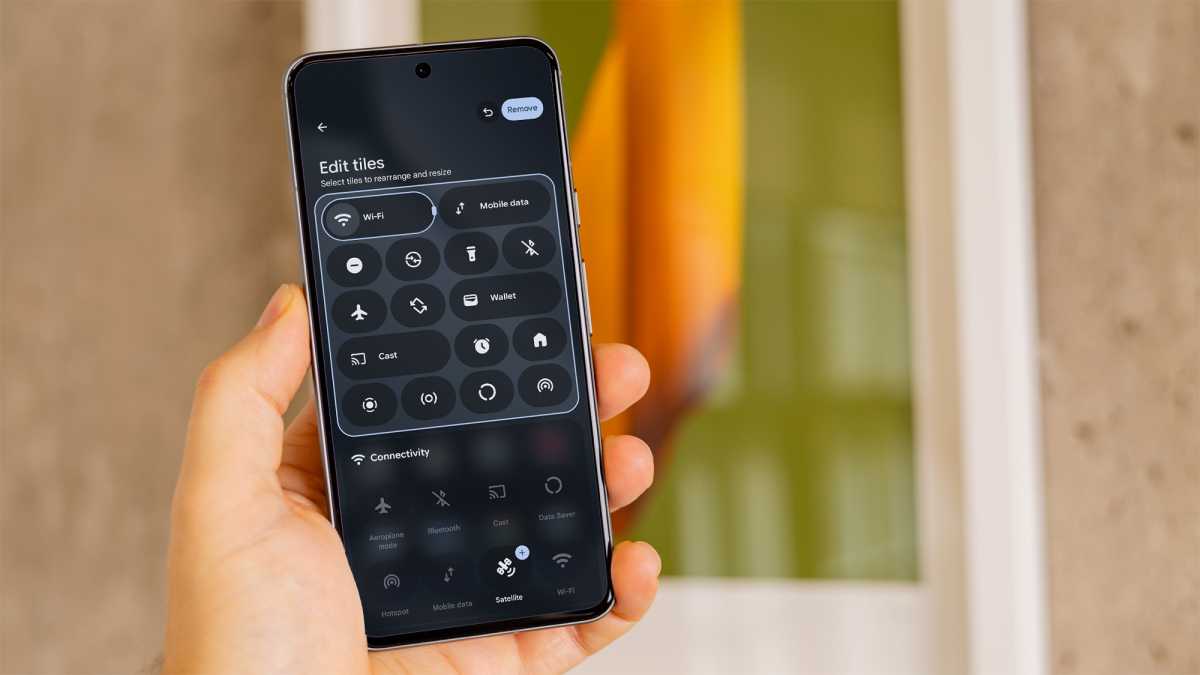
- Additional Quick Settings personalization.
- Updated system menus and interface elements.
- More flexible home screen layouts.
- Improved themes and visual effects.
These changes could give users greater control over the appearance and usability of their smartphones.
5. Better Performance and Battery Optimization
Performance and battery efficiency are important parts of every major Android update.
Android 18 is expected to continue improving background application management, system resource allocation, and overall responsiveness.
Potential improvements could include:
- More efficient background processing.
- Improved memory management.
- Better application responsiveness.
- Optimized animations and transitions.
- Improved power management.
Actual performance improvements will depend on individual device hardware, manufacturer software, and application compatibility.
6. Improved Multitasking and Large-Screen Support
Foldable smartphones and tablets are becoming increasingly popular. Android 18 could continue improving the experience on devices with larger displays.
Possible improvements include better application resizing, smoother multitasking, improved split-screen experiences, and more consistent interfaces across different screen sizes.
These improvements would be particularly useful for people who use their smartphones for productivity, gaming, and professional work.
Android 18 Supported Phones: Which Devices Will Get the Update?
One of the biggest questions surrounding Android 18 is which smartphones will receive the update.
Google Pixel devices are expected to receive Android 18 first. Other manufacturers, including Samsung, Xiaomi, OnePlus, OPPO, Vivo, and Motorola, will likely release their customized versions after Google's stable release.
However, the final compatibility list will depend on each manufacturer's software update policy and the remaining support period of individual devices.
Google Pixel Phones
The following Pixel smartphones are among the expected Android 18 candidates based on their update support cycles:
- Google Pixel 11 series
- Google Pixel 10 series
- Google Pixel 9 series
- Google Pixel 8 series
- Google Pixel 7 series
- Google Pixel Fold
Some older models may receive Android 18 as their final major Android version, depending on their official support commitments.
Samsung Galaxy Phones
Samsung is expected to distribute Android 18 through its customized One UI software. Recent Galaxy flagship and mid-range smartphones are the most likely candidates.
Potentially eligible devices include:
- Samsung Galaxy S27 series
- Samsung Galaxy S26 series
- Samsung Galaxy S25 series
- Samsung Galaxy S24 series
- Samsung Galaxy Z Fold 8
- Samsung Galaxy Z Flip 8
- Samsung Galaxy Z Fold 7
- Samsung Galaxy Z Flip 7
- Samsung Galaxy A57
- Samsung Galaxy A56
- Samsung Galaxy A55
- Samsung Galaxy A37
- Samsung Galaxy A36
These are expected candidates, not a confirmed Samsung One UI 10 compatibility list.
Xiaomi, Redmi and POCO Phones
Xiaomi could deliver Android 18 through a future version of its HyperOS software. Recent flagship and selected mid-range models may qualify.
Potential candidates include:
- Xiaomi 17 series
- Xiaomi 16 series
- Xiaomi 15 series
- Redmi Note 16 series
- Redmi Note 15 series
- POCO F8 series
- POCO F7 series
Actual eligibility will depend on Xiaomi's individual device update commitments.
OnePlus Phones
OnePlus smartphones could receive Android 18 through a future OxygenOS update.
Potential candidates include:
- OnePlus 16 series
- OnePlus 15 series
- OnePlus 13 series
- OnePlus 12 series
- OnePlus Open
OPPO Smartphones
OPPO is expected to introduce Android 18 through a future ColorOS release.
Potentially eligible smartphones include:
- OPPO Find X9 series
- OPPO Find X8 series
- OPPO Find X7 series
- OPPO Reno 16 series
- OPPO Reno 15 series
- OPPO Reno 14 series
Vivo and iQOO Phones
Vivo and iQOO may also bring Android 18 to eligible smartphones through future OriginOS updates.
Potential candidates include:
- Vivo X300 series
- Vivo X200 series
- Vivo V70 series
- Vivo V60 series
- iQOO 15 series
- iQOO 13
- iQOO Neo 10 series
Motorola Phones
Motorola could also update several recent Edge, Razr, and Moto G devices to Android 18.
Potential candidates include:
- Motorola Edge 70 series
- Motorola Edge 60 series
- Motorola Razr 2026 series
- Motorola Razr 60 series
- Motorola Signature
Android 18 vs Android 17: What Could Change?
Android 17 introduced several improvements focused on performance, privacy, security, and large-screen experiences. Android 18 is expected to build on that foundation with additional graphics capabilities and potentially smarter AI features.
| Feature | Android 17 | Android 18 |
|---|---|---|
| AI Integration | Expanded AI experiences | Further AI improvements expected |
| Graphics | Modern Android graphics | Mesh gradients and progressive blur expected |
| Privacy | Privacy and security improvements | More granular contact permissions rumored |
| Customization | Existing personalization options | Additional options expected |
| Performance | Performance optimizations | Further optimizations expected |
| Release Year | 2026 | Expected 2027 |
It is still too early to determine exactly how significant the differences will be. Google may reveal additional improvements during its developer previews and official announcements.
When Will Android 18 Beta Be Available?

Google traditionally makes preview versions of upcoming Android releases available to developers before launching the final stable version.
If Android 18 follows a similar development cycle, its early testing builds could become available during late 2026 or early 2027, followed by public beta releases.
Google Pixel devices are generally the first smartphones to receive official Android beta builds.
Users interested in testing future Android versions should monitor Google's official Android Beta Program:
Visit the Official Android Beta Program
Keep in mind that beta software can contain bugs, cause battery drain, and affect application compatibility. It is generally better to wait for the stable release if you rely on your phone for everyday activities.
How to Check If Your Phone Will Get Android 18
Although the official Android 18 device list is not available yet, you can check your smartphone's software support information to estimate its eligibility.
- Open the Settings application on your smartphone.
- Navigate to About Phone or Software Information.
- Check your current Android version and device model.
- Visit your manufacturer's official software update policy page.
- Check how many major Android upgrades your device is eligible to receive.
- Compare the remaining update support with Android 18's expected 2027 release.
If your manufacturer has promised major Android upgrades that extend beyond Android 18, your phone may be eligible for the update.
Should You Wait for Android 18?
Whether you should wait for Android 18 depends on your current smartphone and what you expect from your next device.
If your existing phone still performs well and receives regular security updates, there is no immediate reason to replace it just because Android 18 is approaching.
However, if you are planning to purchase a new smartphone in 2027, choosing a model with a long software support commitment could help you receive future Android updates for several years.
For people who prioritize AI capabilities, privacy, customization, and long-term software support, Android 18 is worth watching.
Frequently Asked Questions (FAQs)
1. When will Android 18 be released?
Android 18 is expected to launch around June 2027. Google has not announced an official release date yet.
2. Is Android 18 officially announced?
Android 18 has appeared in early developer-related discussions and reports, but Google has not announced its final consumer release or complete feature list.
3. Which phones will support Android 18?
Recent Google Pixel, Samsung Galaxy, Xiaomi, OnePlus, OPPO, Vivo, iQOO, and Motorola smartphones are potential candidates. Final eligibility will depend on official manufacturer update commitments.
4. Will Samsung Galaxy S24 receive Android 18?
The Galaxy S24 series is an expected candidate based on its software support cycle. Samsung's final compatibility announcement will determine eligibility.
5. Will Android 18 include Gemini AI?
Further Gemini integration and AI improvements are expected, but Google has not confirmed the exact Android 18 AI features.
6. Will Android 18 improve battery life?
Google may introduce additional performance and power optimizations. However, actual battery improvements will depend on the final software and individual smartphone hardware.
7. Will older Android phones receive Android 18?
Some older smartphones may qualify if their manufacturers still provide major Android updates. Devices that have reached their software support limits are unlikely to receive the upgrade.
8. Can I install Android 18 right now?
No stable public Android 18 release is currently available. Keep checking Google's official Android Beta Program for future testing opportunities.
Final Thoughts
Android 18 could become an important update for Google's mobile operating system, particularly if the expected improvements in AI, graphics, privacy, and customization make it into the final release.
With a possible June 2027 launch, there is still time for Google to reveal additional features and finalize its development plans. Pixel smartphones are expected to receive the update first, followed by compatible devices from Samsung, Xiaomi, OnePlus, OPPO, Vivo, and other manufacturers.
For now, the best approach is to follow official announcements rather than rely on unconfirmed specifications or compatibility lists.
Stay connected with LoopGuy for the latest Android updates, smartphone news, technology guides, and software announcements.
Frequently Asked Questions
Is this guide beginner friendly?
Yes. This tutorial is written step-by-step for beginners.
Does this work in 2026?
Yes. This article is updated regularly with latest changes.
Where can I learn more?
Browse more tutorials on LoopGuy.



Comments (0)
No comments yet. Be the first to comment!
Leave a Comment